

Registering a car in California is a vital step for any new owner, ensuring legal compliance and facilitating seamless use on public roads. However, navigating the process can be confusing, with numerous requirements and steps to remember. This comprehensive guide aims to demystify the registration procedure, offering expert insights tailored specifically for California residents. From gathering essential documents to understanding fee structures and even emphasizing the significance of VIN verification during the process, this article ensures a smooth car registration experience, empowering you to confidently take to California’s highways.
- Gather Necessary Documents for Car Registration
- Prepare Your Vehicle for Inspection and Title Transfer
- Perform VIN Verification: A Crucial Step in the Process
- Submit Application and Fees at the California DMV
- Finalize Registration and Obtain License Plate
Gather Necessary Documents for Car Registration

Before you can register your car in California, you’ll need to gather a variety of essential documents, including proof of insurance, vehicle inspection reports (if required), and, crucially, accurate Vehicle Identification Number (VIN) verification. The VIN is a unique code that serves as the fingerprint of your vehicle, making precise VIN inspection—ideally using a mobile vin verifier—a critical step in the registration process. In California, you may be required to undergo a safety and emissions inspection, which can often be facilitated by mobile vin verification services. These services not only provide accurate VIN readings but also offer on-site inspections for your convenience.
When preparing for car registration, ensure that all documents are up-to-date and valid. This includes vehicle ownership certificates (if applicable), title transfer documents if you’ve recently purchased the car, and any records related to previous owners or significant repairs. It’s worth noting that California has specific requirements based on the age of your vehicle; older models may require additional documentation or inspections. For instance, vehicles over 25 years old might need special historical vehicle registration.
Mobile vin verification can streamline this process significantly. Not only does it ensure accurate VIN data, but it also saves you time and effort by often combining inspection services with document collection. This is particularly beneficial in California, where long lines at the DMV can be a common occurrence. By leveraging modern tools like mobile vin verifiers, you can make car registration a smoother, more efficient experience.
Prepare Your Vehicle for Inspection and Title Transfer
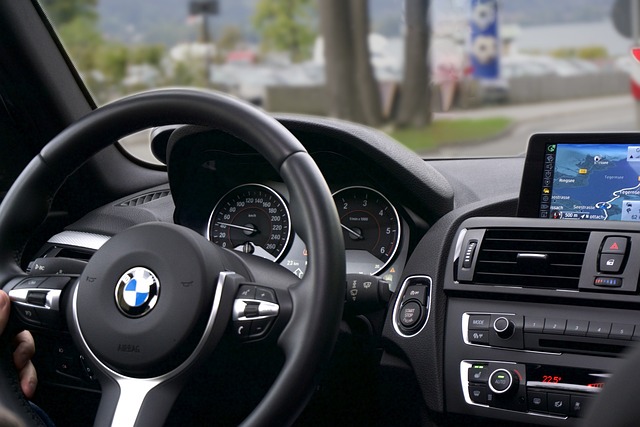
Before you register your car in California, ensure your vehicle is prepared for the inspection process. This involves a thorough understanding of both your vehicle’s condition and the requirements set by the state. One critical step is having your Vehicle Identification Number (VIN) verified, which acts as a unique fingerprint for your car. Consider using a mobile VIN verifier to streamline this process; these tools can quickly confirm the vehicle’s history and identify any potential issues that might affect registration.
During preparation, check for any outstanding recalls or required repairs based on the most recent safety standards. This includes basic mechanical checks like brakes, lights, and tires, as well as more specialized inspections such as emissions testing. Some regions in California offer mobile VIN inspection services, allowing you to verify your car’s compliance from the convenience of your home or garage. This proactive step can save time and ensure a smoother registration experience.
Additionally, gather all necessary documents, including your vehicle’s title, proof of insurance, and identification. Ensure that the title is in your name and free from any liens. If you’ve recently purchased the car, coordinate with the previous owner to transfer the title or complete any required paperwork. A clean and well-documented ownership history is essential when registering a vehicle in California.
By focusing on these aspects of preparation, you’ll be better equipped to navigate the registration process efficiently. Remember, accurate VIN verification and maintaining proper documentation are key to ensuring your car meets all legal requirements for California roads.
Perform VIN Verification: A Crucial Step in the Process

Registering a car in California involves several steps, but one of the most crucial is Vehicle Identification Number (VIN) verification. This process ensures that the vehicle’s unique identifier matches the information on file with the California Department of Motor Vehicles (DMV). VIN verification is essential for preventing fraud and ensuring the safety and legitimacy of vehicles on California roads.
During this step, you or your designated professional will inspect and confirm the accuracy of the VIN displayed on the vehicle’s registration documents, engine, and chassis. It involves a thorough examination to ensure that no alterations have been made and that the VIN is genuine. This process can be completed at a DMV office or through a mobile vin inspection service. Utilizing a mobile vin verifier can offer convenience, saving you time and potentially reducing wait times.
For instance, let’s say you’ve purchased a used car from out of state and need to register it in California. A mobile vin verification service can perform the check at your convenience, ensuring that the VIN matches the vehicle’s history before you proceed with registration. This step is particularly important as incorrect or falsified information could lead to legal issues later on. It’s advisable to opt for a reputable service provider that offers accurate and reliable mobile vin inspection to streamline this critical phase of car registration.
Submit Application and Fees at the California DMV

After gathering all your necessary documents and ensuring your vehicle meets California’s requirements, it’s time to submit your application and fees at the California Department of Motor Vehicles (DMV). This crucial step formalizes your car’s registration and ensures compliance with state laws. When submitting your application, be prepared to present your completed forms, valid identification, proof of insurance, and the requisite fees.
One efficient method to streamline this process involves utilizing a mobile VIN inspection or a trusted mobile VIN verifier. These services enable you to verify your vehicle’s unique Vehicle Identification Number (VIN) digitally, eliminating the need for an in-person visit. By inputting your VIN into a specialized platform, you can confirm the vehicle’s history, including any accidents, outstanding liens, or recall notices. This proactive measure not only saves time but also ensures a smoother registration experience by addressing potential issues before submission.
During the application process, be certain to double-check all entered information for accuracy. Inaccurate data could lead to delays or even rejection of your application. Remember, the DMV may require additional documentation or clarification if discrepancies are found. To avoid such complications, maintain meticulous records and retain copies of all submitted documents. This approach not only simplifies potential follow-up inquiries but also serves as a valuable reference for future vehicle-related matters in California.
Finalize Registration and Obtain License Plate

After completing the initial registration process for your vehicle in California, including gathering all necessary documents and fees, it’s time to finalize the registration and obtain your license plates. This crucial step ensures your car is legally recognized on California’s roads. The first order of business is to verify the Vehicle Identification Number (VIN). This unique 17-character code serves as a digital fingerprint for your vehicle and is essential for accurate record-keeping and security. One efficient method for VIN verification in California is through a mobile vin verifier or inspection service, which allows you to complete this process from the comfort of your own home or even while waiting at a DMV office.
By utilizing these services, you can ensure that your VIN data matches the records held by the California Department of Motor Vehicles (DMV). This step is more than just a formality; it’s a critical security measure to prevent fraud and theft. In recent years, cases of identity theft related to vehicle registration have underscored the importance of meticulous VIN verification. According to the DMV, over 200,000 instances of identity theft were prevented in California alone through strict VIN inspection protocols.
Once your VIN is verified, you can proceed with obtaining your license plates. The DMV offers several plate options catering to different preferences and vehicle types. You can choose from standard plates, specialized plates for specific interests or professions, or even custom designs (subject to approval). After selecting the appropriate plates, you’ll receive a set with instructions on how to affix them to your vehicle. Properly displaying license plates is not just a legal requirement; it enhances road safety by enabling quick identification and communication of vital information to other drivers and authorities.
Registering a car in California involves several key steps, from gathering essential documents to performing critical VIN verification. By ensuring your vehicle passes inspection and title transfer, accurately completing the application at the DMV, and finalizing with license plate issuance, you’ll have successfully navigated the process. Remember, proper documentation and meticulous attention to detail during VIN verification are paramount to a smooth registration experience. These steps empower you to legally operate your vehicle while adhering to California’s stringent regulations, offering peace of mind on the road ahead.