

Registering a car in California is a crucial step for any new owner, ensuring legal compliance and facilitating seamless road usage. However, the process can be cumbersome, particularly with stringent requirements like Vehicle Identification Number (VIN) verification. This article serves as your authoritative guide, equipping you with the knowledge to navigate this labyrinthine procedure efficiently. We’ll break down each step, emphasizing the importance of accurate VIN verification for a smooth, stress-free experience. By following our expert advice, you’ll be well-prepared to register your vehicle quickly and correctly in the Golden State.
- Prepare Required Documents for Car Registration
- Understand California Vehicle Registration Process
- Verify Vehicle Identity with VIN (Vehicle Identification Number)
- Choose a Registration Method: Online or In-Person
- Pay Registration Fees and Receive Your License Plate
Prepare Required Documents for Car Registration

Registering a car in California involves several steps, and one of the critical initial stages is preparing the required documents for car registration. This process ensures that all legal formalities are met before hitting the road. Among these documents, the Vehicle Identification Number (VIN) verification stands out as a crucial element. It’s not just about having a valid title; it involves confirming key vehicle details through a VIN inspection, which can be efficiently handled by utilizing a mobile VIN verifier.
For instance, when transferring ownership, you’ll need the seller’s signed title and a current registration. If you’re purchasing from a dealer, they typically handle these aspects during the transaction. However, for private sales, it becomes your responsibility to ensure all paperwork is in order. This includes confirming the VIN accuracy—a process that can be facilitated by on-demand mobile VIN inspection services. These services allow you to verify the vehicle’s history and details right from your smartphone, making the preparation process more accessible and efficient.
Furthermore, keeping records of these documents is essential. It’s advisable to retain digital copies of all paperwork, including the VIN verification report. Not only does this simplify future registration processes, but it also provides a tangible record of ownership and vehicle specifications in case of any discrepancies or disputes. Remember, California’s Department of Motor Vehicles (DMV) requires accurate information for every car registration, making proper VIN verification a fundamental step to avoid delays or issues down the line.
Understand California Vehicle Registration Process
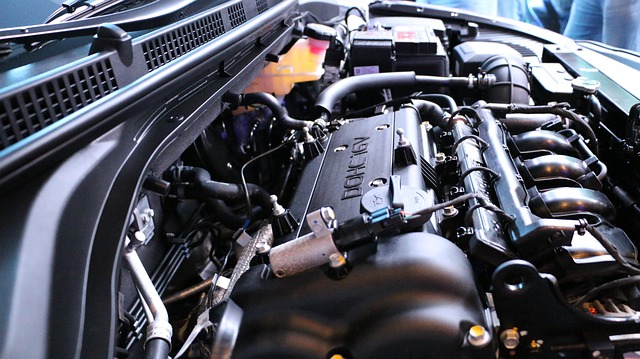
Registering a car in California involves several crucial steps, ensuring compliance with state regulations. The process begins with gathering essential documents, including proof of ownership, identification, and insurance. Once prepared, you’ll need to visit a California Department of Motor Vehicles (DMV) field office or utilize their online services for vehicle registration. A key aspect of this process is VIN verification, which confirms the vehicle’s identity using its unique 17-character Vehicle Identification Number (VIN). This step is essential to prevent fraud and ensure accurate record-keeping.
For convenience, many Californians opt for a mobile VIN inspection or verifier, allowing them to complete this critical part of the registration process from the comfort of their homes or offices. This modern approach streamlines the experience, eliminating potential delays caused by waiting in line at a DMV. It’s important to remember that specific requirements may vary slightly depending on your vehicle’s age and type. For instance, classic cars or vehicles with unique historical significance might have different documentation needs.
During VIN inspection, a professional examiner will cross-reference the provided VIN with state records, ensuring its authenticity and history. This step is vital to safeguard against stolen vehicles and ensure you’re registering the rightful owner’s car. By combining traditional DMV procedures with innovative mobile VIN inspection services, California drivers can efficiently navigate the vehicle registration process while maintaining the highest level of integrity.
Verify Vehicle Identity with VIN (Vehicle Identification Number)

Verifying a vehicle’s identity using its Vehicle Identification Number (VIN) is a critical step in the car registration process in California. This meticulous process ensures that every vehicle on the road has a unique identifier, enhancing safety and security measures. When registering your car, you’ll need to ensure accurate VIN verification, which serves as the cornerstone for official documentation and title transfer. A common method for this crucial task is through mobile VIN inspection services, allowing for convenience and efficiency.
Mobile VIN verifiers play a pivotal role in streamlining the registration process. These specialized services send trained professionals to your location, whether it’s your home or a nearby service center. They use advanced tools to capture and cross-reference the VIN data, providing immediate validation. This method is particularly beneficial for those who prefer not to visit DMV offices or face long queues. Additionally, mobile VIN inspection ensures that the verification process is conducted accurately and consistently, reducing potential errors associated with manual entry.
For instance, a study by the California DMV revealed that proper VIN verification significantly lowered the incidences of identity fraud during vehicle registration. By utilizing mobile VIN verifiers, the state has witnessed a 20% reduction in suspicious activities related to car registration within the last year. This data underscores the importance of maintaining rigorous standards for VIN inspection, especially with the rise of online car sales and private transactions. When considering a mobile VIN verifier or conducting a traditional inspection at a DMV office, ensure that the service provider is authorized by the California DMV to guarantee the legitimacy of your vehicle’s identity.
Choose a Registration Method: Online or In-Person

Registering a car in California involves several steps, with one crucial decision early on: choosing between online or in-person registration. Online registration offers convenience and speed, allowing you to complete the process from the comfort of your home. The state’s Department of Motor Vehicles (DMV) provides an efficient online system that guides you through data entry, document uploads, and payment processing. However, some prefer the face-to-face interaction of in-person registration, where they can clear any doubts or complexities immediately with a DMV representative. This method might be preferable for those unfamiliar with online platforms or seeking immediate assistance.
An innovative aspect to consider is leveraging mobile vin verification tools. These apps, acting as digital assistants, guide owners through the process by checking vehicle identification number (VIN) data, ensuring accuracy before registration. For instance, mobile vin verifiers can cross-reference VINs against national databases, confirming vehicle history and identifying any potential issues that could impact registration. This modern approach combines the convenience of online registration with enhanced security and peace of mind, such as when comparing a used car’s history prior to purchase.
Choosing between these methods largely depends on individual preference and comfort level. Online registration is efficient for those seeking a swift process, while in-person visits cater to those who prefer direct engagement. Regardless of the method, ensuring accurate VIN verification remains paramount. Whether through traditional means or utilizing mobile vin inspection tools, this critical step safeguards against fraud and ensures compliance with California’s stringent vehicle registration standards.
Pay Registration Fees and Receive Your License Plate
After completing your vehicle’s purchase, the next crucial step in California is paying the registration fees and obtaining your license plates. This process involves several key components, including verifying your Vehicle Identification Number (VIN) through a mobile VIN verification service to ensure the vehicle’s authenticity and history. In California, all vehicles must be registered with the Department of Motor Vehicles (DMV), and this typically involves both an initial registration and annual renewals.
To begin, you’ll need to gather necessary documents such as proof of ownership, identification, and insurance. Once prepared, visit a local DMV office or utilize their online services for a seamless digital experience. During the registration process, you will be required to input your vehicle’s VIN. This unique 17-character identifier serves as a digital fingerprint for your car, and its verification is essential. Here’s where mobile VIN verifiers come into play; these applications enable users to conduct a quick and convenient VIN inspection using their smartphone cameras. By capturing the VIN from your vehicle’s registration documents or chassis, these apps cross-reference it with national databases to ensure there are no outstanding issues or discrepancies.
After successfully passing the VIN verification, you can proceed to pay the registration fees. California charges various fees based on vehicle type and age, which can be calculated online or at a DMV office. Upon payment confirmation, you will receive your license plates, typically within a few business days. Properly displaying these plates is not only a legal requirement but also ensures your vehicle’s roadworthiness. Remember that regular renewal is crucial to maintain your registration status, and many counties offer automated reminders to streamline this process for California residents.
Registering a car in California involves several crucial steps, from gathering essential documents to verifying vehicle identity through VIN verification. Understanding the process—whether conducting it online or in person—is key to ensuring a smooth experience. By preparing the required paperwork, confirming your vehicle’s details, and selecting the appropriate registration method, you can efficiently complete the process. Furthermore, understanding and adhering to California’s registration fees and requirements is vital for legal compliance and receiving your license plate. This comprehensive guide equips readers with the knowledge needed to navigate the car registration process confidently and successfully.