

Registering a car in California is a vital step for any new or existing vehicle owner, ensuring legal compliance and facilitating seamless road usage. However, navigating the process can be a challenge due to its complexity and the stringent requirements imposed by the state. This article serves as your comprehensive guide, offering step-by-step instructions on how to register a car in California, with a special focus on the critical role of Vehicle Identification Number (VIN) verification for accuracy and security. By following these expert tips, you’ll gain the knowledge needed to successfully complete the registration process without hassle.
- Prepare Required Documents for Car Registration in California
- Understand the Process: Steps to Register a Vehicle
- Verify Vehicle Identity with VIN Check in CA
- Choose an Appropriate Registration Class and Pay Fees
- Complete the Registration and Receive Your License Plate
Prepare Required Documents for Car Registration in California

Before you begin the car registration process in California, it’s crucial to gather all the necessary documents. This step is often overlooked but can save significant time and potential headaches down the line. First, ensure you have your Vehicle Identification Number (VIN) readily available—this unique code is a critical component of the registration procedure. For instance, many modern vehicles display their VIN on a label inside the driver’s door or on the dashboard. If you’re dealing with an older car, check under the hood or consult the owner’s manual for its location.
Next, prepare the following documents: your current vehicle registration (if applicable), proof of insurance, and a valid driver’s license. Additionally, California requires you to undergo VIN verification as part of the registration process. This can be done through a mobile vin verifier, which offers added convenience by allowing inspections at your chosen location—be it home or on the go. Some third-party services even provide mobile vin inspection solutions, making it easier than ever to comply with these requirements. Remember, an accurate and up-to-date VIN is essential for car registration in California, ensuring a seamless and legal transaction.
Understand the Process: Steps to Register a Vehicle

Registering a car in California involves several crucial steps to ensure your vehicle complies with state regulations. The process begins with gathering essential documents and verification, particularly focusing on accurate Vehicle Identification Number (VIN) data. One critical aspect often overlooked is ensuring the VIN’s integrity through a reliable vin inspection or vin verification process. This step is paramount as it safeguards against fraud and ensures the vehicle’s history is transparent.
For instance, California requires a mobile vin verifier to confirm the accuracy of the VIN when registering a used car. This is because a car’s history can significantly impact its value and safety. A simple online check or a more rigorous mobile vin inspection 1-2 times during the registration process can reveal previous accidents, outstanding liens, or fraudulent activities that may affect your decision to purchase. Utilizing modern technology, such as a mobile vin scanner, streamlines this verification step, providing immediate results and peace of mind.
Once all documents are in order, including proof of insurance, owner’s identification, and the vehicle’s title (if applicable), you can proceed to a California Department of Motor Vehicles (DMV) office or authorized agent. Here, an examiner will conduct a comprehensive inspection, checking for safety standards, emissions compliance, and proper registration fees. This step-by-step process ensures that your vehicle meets all legal requirements before issuing a registration certificate, allowing you to legally operate your car on California roads.
Verify Vehicle Identity with VIN Check in CA

Verifying your vehicle’s identity through a VIN (Vehicle Identification Number) check is an essential step in the car registration process in California. This critical procedure ensures that the vehicle you’re registering matches the records on file with the Department of Motor Vehicles (DMV). Inaccurate or false information can lead to legal issues, so it’s crucial to get this right from the start. A simple VIN verification process is now more accessible than ever thanks to mobile vin inspection services.
In California, a VIN inspection checks against the DMV’s database to confirm key vehicle details, including its make, model, year, and whether there are any outstanding issues or recalls. This step is usually conducted by a qualified professional using specialized equipment to read and interpret the unique 17-character code. One of the advantages of modern technology is mobile vin verification; many licensed inspectors now offer this service, allowing you to complete your VIN check conveniently from almost anywhere.
For example, in Los Angeles County, all vehicles over five years old are required to undergo an emissions inspection as part of the registration renewal process. A mobile vin inspection can streamline this requirement by providing immediate results and ensuring a smoother, more efficient registration experience. It’s recommended that California residents opt for a reputable mobile vin verification service to guarantee accurate readings and official compliance with state regulations. This proactive approach not only saves time but also minimizes potential issues during the registration process.
Choose an Appropriate Registration Class and Pay Fees
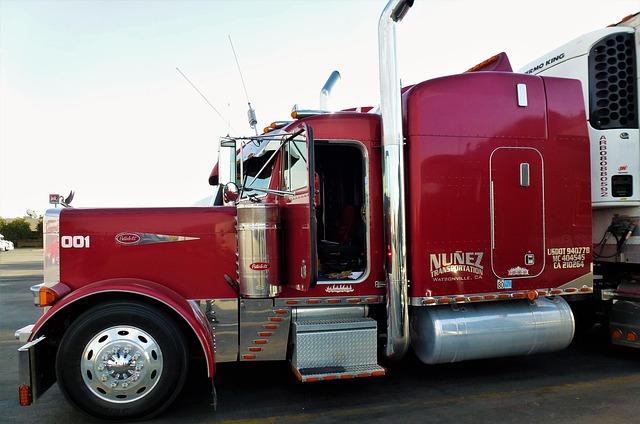
When registering a car in California, understanding your vehicle’s classification is key to a smooth process. The state’s Department of Motor Vehicles (DMV) categorizes vehicles into several classes based on factors like size, weight, and intended use. The appropriate registration class directly influences fees you’ll pay, so accurate identification is crucial. For instance, smaller sedans and coupes typically fall under Class 1, while larger SUVs and trucks might be classified as Class 3 or 4, each with distinct fee structures.
Proper vin verification is a fundamental step in this process, ensuring your vehicle’s unique identifier—the Vehicle Identification Number (VIN)—is accurate and matches the make, model, and year listed on official records. Many California residents opt for convenient mobile vin verification services, allowing them to complete this critical step remotely. Mobile vin verifiers can provide immediate feedback, confirming eligibility for various registration classes and streamlining the fee calculation process. This modern approach saves time, especially for those with busy schedules or accessibility challenges.
Choosing the right registration class and understanding associated fees is a strategic move. California’s DMV offers detailed guides and online resources to help owners navigate this process. Fees vary based on vehicle type, age, and emissions standards, with some classes offering reduced rates for certain categories of vehicles, such as low-emission or classic cars. By engaging in mobile vin inspection services, owners can ensure their vehicle’s details are up-to-date, making it easier to take advantage of these potential savings. This proactive approach ensures a hassle-free registration experience.
Complete the Registration and Receive Your License Plate

After completing the necessary paperwork for car registration in California, the next step is to ensure your vehicle’s Vehicle Identification Number (VIN) is verified. This critical process confirms the vehicle’s history and authenticity, which is essential for safety and legal compliance. One efficient way to accomplish VIN verification is through a mobile vin inspection or using a mobile vin verifier. These services offer convenience by allowing you to conduct the check at your location, saving time compared to traditional methods that might require visits to specialized facilities.
A mobile vin verifier, equipped with advanced technology, will scan and cross-reference your vehicle’s VIN against vast databases containing information from various sources, including manufacturers, insurance companies, and reporting agencies. This comprehensive inspection ensures any discrepancies or potential issues are uncovered. For instance, a recent study by the California Department of Motor Vehicles (DMV) revealed that approximately 10% of vehicles with outstanding warrants were successfully located through VIN verifications, emphasizing the process’s significance in maintaining road safety and security.
Once your VIN is verified, you can proceed to complete the registration process. An official from the DMV or an authorized agent will review all documents, including proof of insurance, emissions test results (if applicable), and any required fees. Upon approval, they will issue your vehicle’s license plate. It’s advisable to obtain a license plate frame, as this adds an extra layer of protection for your plates, safeguarding them from theft or damage. Always keep your registration documents in your vehicle, as they are essential for proof of ownership and legal operation on California roads.
By meticulously preparing the necessary documents, understanding the streamlined registration process, verifying vehicle identity through a crucial VIN verification, selecting the correct registration class, and completing the transaction with prompt payment, you can efficiently register your car in California. This authoritative article has guided you through each step, ensuring you’re equipped to navigate the process smoothly. The key insights gained include the importance of proper documentation, understanding regulatory classes, and undergoing vin verification for a successful registration. Armed with this knowledge, you’re now ready to secure your vehicle’s legal status in the Golden State.