

Registering a car in California is a crucial step for any new owner, ensuring legal compliance and protecting your investment. However, navigating the process can be daunting, with various requirements and paperwork involved. This comprehensive guide aims to demystify the procedure, offering expert insights on every step, from gathering essential documents to crucial VIN verification. By following these detailed instructions, you’ll efficiently navigate the California car registration process, ensuring a seamless and stress-free experience.
- Prepare Necessary Documents for Car Registration
- Locate Your Vehicle's Unique VIN for Verification
- Choose an Appropriate California Vehicle Registration Class
- Submit Applications and Pass Required Inspections
- Finalize Registration: Paying Fees and Obtaining Plates
Prepare Necessary Documents for Car Registration

To register a car in California, preparing the necessary documents is a crucial step. You’ll need several key forms and pieces of information on hand before beginning the process. The primary document you’ll require is the Vehicle Identification Number (VIN) verification. This unique 17-character code serves as a digital fingerprint for your vehicle, ensuring its authenticity and history. In California, VIN verification can be conducted through a mobile vin inspection or a trusted mobile vin verifier, providing convenience and accuracy.
One of the first things you must gather is proof of ownership. This typically comes in the form of a title document, which establishes legal possession of the vehicle. Additionally, you’ll need to provide current registration documents if the car has been previously registered in another state. Other essential items include a valid driver’s license or state-issued ID, proof of insurance, and emissions test results (if applicable). It’s important to ensure all documents are up-to-date and meet California’s specific requirements, as failure to provide accurate or complete information can delay the registration process.
For vehicles over 15 years old, additional paperwork may be required. This includes completing a mileage statement if the odometer reading is not accurate due to damage or replacement. Moreover, for classic cars or vehicles undergoing significant restoration, you might need a letter from a professional restorer or a vintage car club. These measures are taken to preserve California’s rich automotive history and ensure that these iconic vehicles meet safety standards while maintaining their unique character. Properly preparing these documents not only streamlines the registration process but also demonstrates your commitment as a responsible vehicle owner.
Locate Your Vehicle's Unique VIN for Verification

To register your car in California, VIN verification is a crucial step that cannot be overlooked. Every vehicle has a unique Vehicle Identification Number (VIN), serving as its fingerprint in the automotive world. This number holds vital information about the car’s history, specifications, and manufacturing details. When registering, you’ll need to provide this 17-character VIN for validation purposes. It’s essential to ensure its accuracy to avoid future issues with your vehicle’s documentation.
Obtaining your VIN is a straightforward process. Most cars display it on a plate embedded in the dashboard near the driver’s seat or on the door jamb. For older vehicles or those with missing or damaged plates, you can locate the VIN under the hood or consult your owner’s manual. Interestingly, mobile vin verifiers and inspections have gained popularity, allowing drivers to verify their VINs remotely using apps or specialized services. These tools scan and confirm the VIN’s legitimacy, offering convenience for California residents navigating registration procedures.
Once you’ve secured your unique VIN, it must match the records maintained by the California Department of Motor Vehicles (DMV). This verification ensures that the vehicle is authentic and eligible for registration. Accurate VIN documentation is not only crucial for a seamless registration process but also plays a vital role in preventing identity theft and ensuring vehicle safety. Always double-check your VIN before proceeding to register, as even a minor discrepancy could delay or complicate the entire procedure.
Choose an Appropriate California Vehicle Registration Class
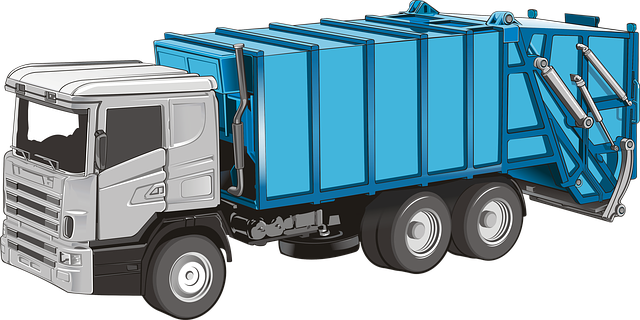
Choosing the right California vehicle registration class is a crucial step in the registration process. The Golden State offers several classes tailored to different types of vehicles and uses. This decision directly impacts fees, requirements, and even your vehicle’s legal status on California roads. For instance, classic cars or low-emission vehicles may qualify for reduced rates or special exemptions.
Properly identifying your vehicle starts with verifying its Vehicle Identification Number (VIN). A mobile VIN verifier can perform this critical step efficiently, ensuring accuracy during the registration process. This technology allows for a quick and convenient VIN inspection, which is crucial when dealing with paper work. For example, a 2015 Tesla Model S might fall under a different class than a 1967 Chevy Camaro, despite both sharing an initial VIN format.
Beyond class selection, consider your vehicle’s age and environmental impact. Older vehicles may have simpler registration processes, but newer models often come with stricter emission standards that affect fees. A mobile VIN inspection service can be particularly helpful in these cases, as it provides on-site verification for a smoother registration experience. This is especially relevant given California’s diverse vehicle landscape, from electric cars to classic muscle trucks.
Ultimately, careful consideration of your vehicle’s characteristics and utilizing modern tools like mobile VIN verifiers ensures compliance with California’s stringent regulations. It pays to be thorough; proper registration not only keeps you legal but also enhances the safety and efficiency of everyone on the road.
Submit Applications and Pass Required Inspections

Registering a car in California involves several crucial steps, and one of the most critical is submitting the necessary applications and passing required inspections. This process ensures that your vehicle meets safety standards and legal requirements. To begin, you’ll need to gather essential documents such as proof of ownership, valid identification, and any applicable fees. Once prepared, it’s time to initiate the application process with the California Department of Motor Vehicles (DMV).
A key aspect of this stage is accurate and comprehensive vehicle information, including the Vehicle Identification Number (VIN). VIN verification is a critical step that ensures the vehicle’s history aligns with its current condition and ownership. This can be facilitated through various methods, including mobile VIN inspection services that provide on-site or remote verifications. These services are particularly convenient for busy individuals who may struggle to visit a DMV branch. For instance, some mobile VIN verifiers offer same-day service, ensuring your application proceeds smoothly without unnecessary delays.
During the inspection process, you’ll need to ensure your vehicle passes certain criteria related to emissions, safety features, and overall condition. In California, these inspections are typically conducted at certified stations or through a mobile VIN verifier. It’s advisable to plan for potential backlogs during peak registration periods, allowing extra time to complete the required checks. By adhering to these steps and utilizing available resources like mobile VIN inspection services, you can navigate the registration process efficiently, ensuring your vehicle is legally compliant and ready for California’s roads.
Finalize Registration: Paying Fees and Obtaining Plates
Once you’ve completed your vehicle’s inspection and passed all required tests, the next step in registering your car in California is to finalize the registration process by paying the necessary fees and obtaining license plates. This crucial phase involves several key steps that must be executed precisely.
First, you’ll need to visit the California Department of Motor Vehicles (DMV) website to calculate the total registration fee for your vehicle. Fees vary based on factors like the type of vehicle, its weight, and whether it’s a new or used car. The DMV provides a comprehensive breakdown of these fees online, ensuring transparency throughout the process. After confirming the total cost, which includes registration, emissions testing (if applicable), and any additional fees, you can proceed with payment. California offers various payment methods, including credit cards, debit cards, checks, and money orders, providing convenience to vehicle owners.
Following successful fee payment, the DMV will issue your vehicle’s license plates. In most cases, plates are mailed directly to the registered owner’s address. However, if you prefer immediate plate acquisition, many California DMV field offices allow you to pick up your plates in person. Some even offer a mobile vin inspection and verification service, where a qualified specialist can conduct a thorough examination of your vehicle’s VIN (Vehicle Identification Number) at your location. This convenient option, provided by trusted mobile vin verifiers, ensures a seamless transition for busy individuals or those who prefer a more personalized experience during their car registration.
Remember that proper vin inspection is an integral part of the registration process in California. Whether you utilize a mobile vin verifier or visit a DMV office, ensuring your vehicle’s VIN accuracy and integrity is non-negotiable. This meticulous approach not only protects your investment but also aids in identifying your vehicle should it ever be involved in an incident, enhancing overall safety and security on California’s roads.
By meticulously preparing your documents, understanding your vehicle’s unique VIN for verification, selecting the correct California vehicle registration class, successfully navigating inspections, and finally paying fees and securing plates, you’ve completed the process of registering your car in California. This comprehensive guide has equipped you with the knowledge to ensure a smooth and legally compliant ownership experience, underscoring the importance of accurate vin verification throughout. Moving forward, remember to stay informed about renewal deadlines and regularly maintain your vehicle’s documentation for hassle-free future registrations.