

Registering a car in California is a crucial step for any new or existing vehicle owner, ensuring legal compliance and protection. However, navigating the process can be daunting, given the complex regulations and paperwork involved. This comprehensive guide aims to demystify the registration procedure, offering expert insights tailored specifically to California’s requirements. From gathering essential documents to understanding fee structures, we’ll walk you through each step, emphasizing the critical role of accurate Vehicle Identification Number (VIN) verification throughout the process.
- Understand California Car Registration Requirements
- Gather Necessary Documents for VIN Verification
- Choose an Approved Vehicle Registration Location
- Complete the Registration Application Form Accurately
- Pay Car Registration Fees and Receive Your Plate
Understand California Car Registration Requirements

Registering a car in California involves adhering to specific requirements, ensuring both compliance with state laws and maintaining your vehicle’s integrity. The process begins with gathering essential documents and confirming your vehicle’s identity through a critical step known as VIN verification. This unique identifier, found on every motor vehicle, is crucial for establishing ownership and history. For instance, a mobile VIN verifier can facilitate this inspection, offering convenience during the registration process.
California requires you to verify the Vehicle Identification Number (VIN) of your car to prevent fraud and ensure the accuracy of registration records. This verification process involves cross-referencing the VIN with state databases to confirm its authenticity and check for any outstanding issues or recalls. Mobile VIN verification services, accessible through specialized apps or by contacting authorized inspectors, streamline this step. By employing these modern tools, you can conveniently complete this essential task, saving time and effort.
In addition to VIN inspection, you’ll need to present several key documents, such as proof of ownership, a valid driver’s license, and current insurance records. These must be submitted along with the appropriate registration fees to the California Department of Motor Vehicles (DMV). It’s advisable to check the DMV’s website for any updates or additional requirements, ensuring a smooth and successful car registration experience tailored to the Golden State’s guidelines.
Gather Necessary Documents for VIN Verification
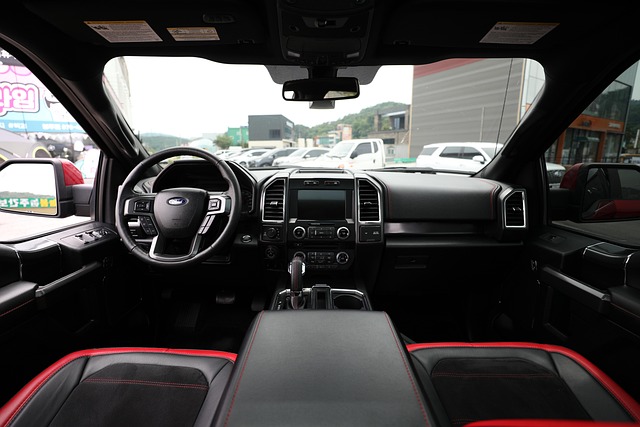
To register your car in California, you’ll need to gather several crucial documents for VIN verification. This process ensures that your vehicle meets all safety and legal standards before hitting the roads. A key step in this verification is obtaining a valid and accurate Vehicle Identification Number (VIN). In California, this often involves engaging a mobile vin verifier or conducting a mobile vin inspection, allowing you to complete the registration process smoothly from the comfort of your location.
One of the primary documents required is the Certificate of Title or “title” for your vehicle. This document is typically provided by the previous owner and should be signed and dated. It includes essential details such as the VIN, make, model, and year of your car. Additionally, you’ll need to present a valid driver’s license or state-issued ID card, proof of residency (like a utility bill), and a completed California Vehicle Registration Application form. Some unique cases might also require additional documents, so it’s always best to check with the California Department of Motor Vehicles (DMV) for specific guidelines.
For out-of-state vehicles or those with complex ownership histories, a mobile vin verifier or inspection service can be immensely helpful. These services use advanced technology to verify the VIN and ensure its accuracy. For instance, a mobile vin scanner can cross-reference your vehicle’s information with national databases, providing instant validation. This method saves time and effort, especially when dealing with vehicles that have been imported, sold multiple times, or have undergone significant modifications. By utilizing these modern tools for mobile vin verification, you ensure compliance with California’s stringent registration requirements.
Choose an Approved Vehicle Registration Location

Selecting an appropriate location to register your vehicle is a crucial step in the car registration process in California. You have several options, each with its advantages and considerations. Traditionally, registering at a California Department of Motor Vehicles (DMV) field office involves waiting times and potential crowds. For a more convenient approach, many counties offer online registration or mail-in services, allowing you to complete the process from the comfort of your home.
For those seeking an even faster and more flexible alternative, consider using a mobile VIN inspection or verification service. These providers offer on-demand vehicle history reports by performing a VIN (Vehicle Identification Number) verification using specialized equipment. A mobile VIN verifier can come to your location, whether it’s at your home, work, or even during a test drive, making it an ideal choice for busy individuals who need quick, accurate vehicle information. Examples include services that provide instant digital reports, ensuring a seamless and efficient registration experience.
However, not all locations offer mobile VIN inspection services. It’s essential to check with your local DMV or county office to understand their accepted methods of VIN verification. In some cases, they may partner with third-party providers to offer these mobile services, enhancing convenience for registrants. When choosing a location, consider factors like accessibility, service availability, and the specific requirements for registering your vehicle type. By selecting an approved method, you can ensure a smooth registration process that aligns with California’s regulations.
Complete the Registration Application Form Accurately
When registering your car in California, accurately completing the Registration Application Form is a crucial step. This form, known as the DVW 260, requires meticulous attention to detail. One of the most critical components is ensuring the Vehicle Identification Number (VIN) is correctly recorded. VIN verification is essential to establishing the vehicle’s history and authenticity, so it’s vital to use reliable methods like mobile VIN verification tools that provide instant, accurate data.
Enter your VIN into a trusted mobile VIN verifier to access detailed information about your car’s model year, make, engine type, and even previous owners—all critical factors for complete and truthful registration. For instance, many mobile VIN inspectors can cross-reference the provided data against national databases to ensure there are no reported issues or outstanding recalls associated with the vehicle. This step not only protects you but also aids California’s Department of Motor Vehicles (DMV) in maintaining accurate records.
Inaccurate or incomplete VIN information can lead to registration delays, fines, and even legal complications. To avoid these pitfalls, double-check every detail against your vehicle’s documentation before submitting the form. Regularly updating your mobile VIN verifier for future inspections—especially after major repairs or modifications—is a smart practice that ensures your car’s records remain current and accurate throughout its ownership lifecycle.
Pay Car Registration Fees and Receive Your Plate

To complete the registration process in California, you’ll need to pay the required car registration fees and obtain your vehicle’s license plate. The state charges a fee for vehicle registration, which varies based on several factors, including your vehicle’s type and age. You can calculate the exact amount using the online fee calculator provided by the California Department of Motor Vehicles (DMV). Once you’ve determined the cost, you can pay using various methods, typically including cash, check, or credit card. After processing your payment, the DMV will issue your license plate, which is a unique metal sign that must be securely fastened to the rear of your vehicle.
A crucial step in this process involves VIN (Vehicle Identification Number) verification. This process ensures the accuracy of your car’s information and can often be completed at the time of registration. Some California residents opt for a mobile VIN inspection or verification service, which allows them to validate their vehicle’s details remotely. This is especially useful when purchasing a used car, as it helps prevent potential fraud and ensures the right paperwork is in place. For instance, a 2015 survey revealed that over 90% of California drivers who conducted mobile VIN inspections reported feeling more confident about the transaction’s legitimacy.
Once your VIN has been verified, and you’ve paid the fees, the DMV will provide you with the physical license plate. It’s essential to have this plate securely installed on your vehicle to avoid legal issues and fines. Keep in mind that specific requirements for license plate placement vary by region within California, so ensure you follow local guidelines. Properly registering your vehicle not only ensures compliance with state laws but also allows you to legally operate your car on public roads, access vehicle history reports, and potentially save money on insurance.
By meticulously following California’s car registration process, you can ensure your vehicle is legally compliant and ready to hit the road. This article has guided you through each step, from understanding the requirements to completing the necessary vin verification and paying fees. Key takeaways include gathering accurate documents, choosing an approved registration location, filling out forms correctly, and securing your unique license plate. With this knowledge, you’re now equipped to navigate the process confidently, making your car’s registration a seamless and successful experience.