

Registering a car in California is a critical process, ensuring legal compliance and ownership rights. However, navigating the procedures can be confusing for new owners. This comprehensive guide aims to demystify the process, empowering Californians with the knowledge to successfully register their vehicles. We’ll break down each step, emphasizing the importance of accurate documentation and meticulous record-keeping. Moreover, we’ll highlight the pivotal role of Vehicle Identification Number (VIN) verification in ensuring the authenticity of your vehicle’s history, a crucial aspect for any responsible owner.
- Understanding California Car Registration Requirements
- Gathering Necessary Documents for VIN Verification
- The VIN Verification Process: Step-by-Step Guide
- Choosing a Registered Vehicle: Legal Considerations
- Completing the Car Registration Application Form
Understanding California Car Registration Requirements

Registering a car in California involves more than just filling out forms; it requires understanding specific state regulations to ensure compliance and avoid future legal issues. One crucial aspect is verifying the Vehicle Identification Number (VIN), which serves as a unique fingerprint for your vehicle. This process, often referred to as VIN verification, is essential for accurate registration. In California, this verification can be conducted through traditional means or with the aid of a mobile VIN verifier, offering flexibility to car owners.
California requires that all vehicles operated on its roads be properly registered and have undergone a comprehensive inspection. This includes checking the VIN to ensure it matches the vehicle’s make, model, and year as specified by the manufacturer. The state employs a rigorous system to cross-reference these details against their databases, helping to prevent fraud and identity theft. It’s important to note that a valid mobile VIN verifier can streamline this process, especially for those who prefer the convenience of having an inspection conducted at their location. This technology enables accurate VIN reading and data transmission, ensuring all information is captured correctly during registration.
To maintain compliance, California residents should consider regular (at least once every 2-3 years) VIN inspections as part of their vehicle maintenance routine. This frequency can vary based on factors like the age of the vehicle or its usage. Mobile VIN verifiers can play a significant role here, providing quick and efficient services that fit modern lifestyles. By embracing these technological advancements, car owners not only save time but also contribute to a smoother registration process, ensuring their vehicles meet all necessary California requirements.
Gathering Necessary Documents for VIN Verification
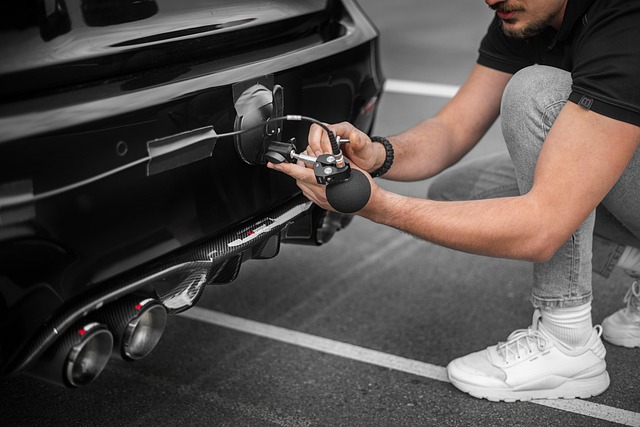
Registering a car in California involves several steps, and one of the critical stages is ensuring you have all the necessary documents for VIN verification. This process can be streamlined with proper preparation, especially when dealing with mobile vin inspection services that offer convenient solutions for on-site verifications. The Vehicle Identification Number (VIN) serves as a unique fingerprint for your car, containing vital information about its make, model, year, and more. Therefore, accurate VIN data is essential for completing the registration process.
When gathering documents for this verification, it’s crucial to have the vehicle’s title in hand, along with any previous titles if applicable. The California Department of Motor Vehicles (DMV) requires these documents as proof of ownership. Additionally, you’ll need a current registration certificate from the state where the car is currently registered. If the car has been recently purchased, ensure that you have the Bill of Sale, which should include the VIN number and other identifying details. For those utilizing mobile vin inspection services, it’s beneficial to check if they accept these documents electronically or require physical copies for on-site verification.
Another vital step is to obtain a current vehicle inspection report, commonly known as an emissions test. Many mobile vin verifiers can conduct this inspection during their visit, providing a seamless experience. Keep in mind that the DMV has specific requirements for different types of vehicles, so ensure you meet these criteria before scheduling your appointment or arranging for the mobile inspection. Proper documentation not only facilitates the VIN verification process but also ensures your car meets all safety and environmental standards set by the state.
The VIN Verification Process: Step-by-Step Guide

Registering a car in California involves several crucial steps, and one of the most critical is the Vehicle Identification Number (VIN) verification process. This step ensures that your vehicle meets all safety and emission standards before it can be legally operated on state roads. The VIN, a unique 17-character code, serves as a digital fingerprint for your car, providing essential information about its manufacture, model, and history. Understanding the VIN verification process is not only crucial for compliance but also empowers you to navigate potential issues efficiently.
The California Department of Motor Vehicles (DMV) offers both in-person and mobile VIN inspection services. During a VIN inspection, an authorized agent checks your vehicle’s identification number against national databases to verify its authenticity and history. This includes confirming the make, model, year, and other vital specifications. In recent years, the introduction of mobile VIN verification has streamlined this process, allowing for greater convenience. For instance, mobile inspectors can visit you at home or work, saving time and effort compared to traditional in-person visits to DMV offices.
The step-by-step guide for VIN verification begins with scheduling an appointment if you opt for a mobile inspection. On the day of the inspection, the inspector will request your vehicle’s information, including the VIN, make, and model. They’ll then use specialized equipment to scan and verify the number against federal records. If any discrepancies or issues are found during this process, the inspector will guide you through resolving them. Common problems might include a stolen vehicle report or a history of significant damage, which can be addressed through appropriate documentation or repairs. Once all verifications are complete, your VIN will be cleared, and you’ll receive a confirmation that your car is ready for registration.
Choosing a Registered Vehicle: Legal Considerations

When preparing to register your car in California, one of the critical steps is selecting a suitable vehicle, especially regarding its legal status and history. The Vehicle Identification Number (VIN) plays a pivotal role in this process as it provides essential information about the car’s origin, specifications, and any previous damage or accidents. It’s crucial to ensure that the VIN verification is accurate and up-to-date, which can be facilitated through modern technologies like mobile VIN verification and inspection services.
In California, as in many other states, a thorough VIN inspection is mandatory before registration. This process involves cross-referencing the vehicle’s details with reliable databases to uncover any discrepancies or hidden issues. For instance, a simple mobile VIN scan can reveal crucial data such as ownership history, major accidents, outstanding loans, and recall notices, all of which are critical factors in determining the car’s overall condition and legal fitness for road use. By utilizing these advanced tools, prospective car owners can make more informed decisions and avoid potential pitfalls associated with registering a vehicle with a problematic or undisclosed history.
Choosing a vehicle with an unverified or incomplete VIN could lead to legal complications later. California’s strict regulations demand that all registered vehicles be accurate and genuine, ensuring road safety and consumer protection. Thus, it’s advisable to seek professional assistance for VIN verification, especially when buying used cars. Mobile VIN inspection services offer convenience and speed, allowing you to complete the registration process with confidence, knowing your vehicle’s history is thoroughly checked.
Completing the Car Registration Application Form

Completing the Car Registration Application Form is a crucial step in registering your vehicle in California. The form, often referred to as the California Vehicle Registration Application (Form DV-1), requires accurate and detailed information about both the car and its owner. This includes the Vehicle Identification Number (VIN) which plays a pivotal role in the registration process. VIN verification ensures that the vehicle matches the details provided, preventing fraud and ensuring compliance with state regulations.
A key component of the application is accurately recording the VIN, typically found on a plate attached to the vehicle’s dashboard or door post. For older vehicles or those with modified identification numbers, a valid VIN inspection from an authorized service center can be used as proof during the registration process. This includes utilizing mobile VIN verification services that provide instant, accurate data through sophisticated technology, ensuring a hassle-free experience for California residents.
It’s important to double-check all information before submitting the form. Inaccurate or incomplete details may delay processing and could lead to additional fees or even rejection of the registration request. For instance, misreading a VIN during the verification process is a common cause of delays, so taking the time to confirm this detail properly can significantly streamline the overall registration journey. Remember, a well-prepared application form increases the likelihood of a swift and successful vehicle registration in California.
By meticulously navigating California’s car registration requirements, gathering essential documents for VIN verification, understanding the step-by-step process involved, and making informed decisions regarding vehicle choices and application forms, you’ve taken significant strides towards ensuring your car’s legal status in this state. This comprehensive guide empowers you to successfully complete the registration process, underscoring the importance of each step, especially VIN verification, as the cornerstone for a smooth and legally compliant ownership experience.